Understanding the Role of Thermoset Polymers in High-Performance Molding Solutions
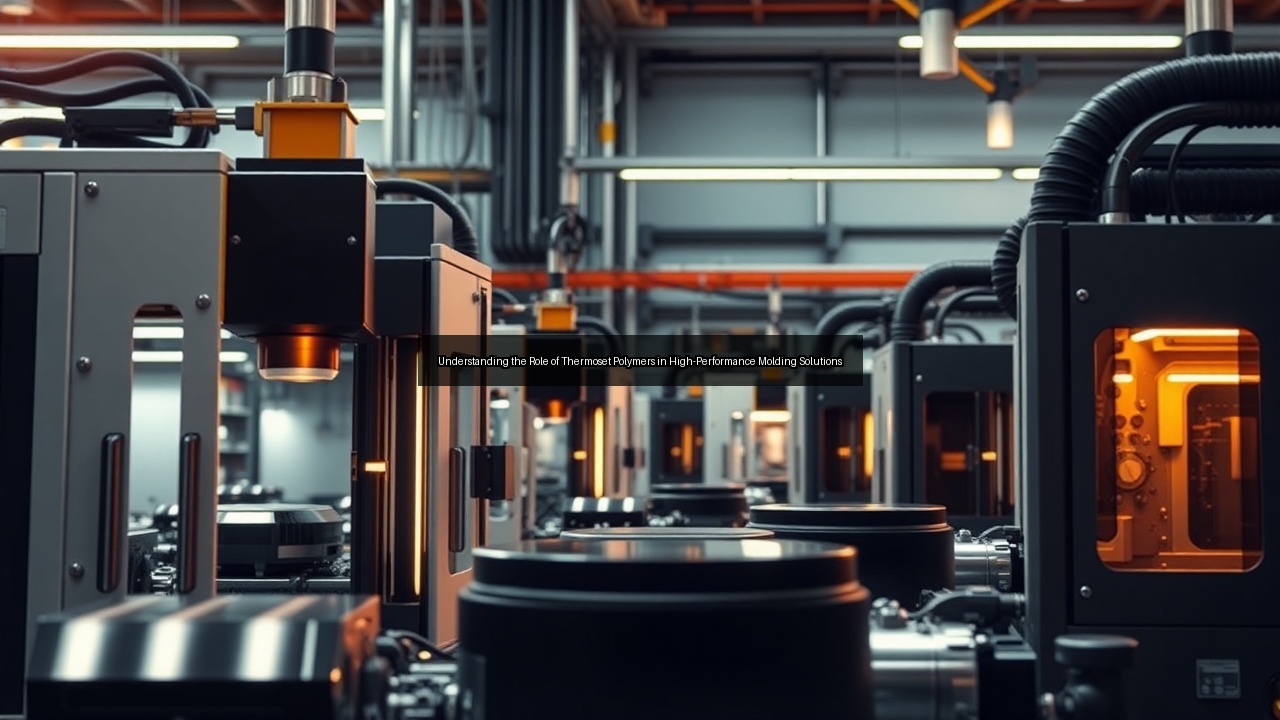
Introduction to Thermoset Polymers in Molding Solutions
Overview of Thermoset Materials
Thermoset polymers form the backbone of many durable components produced through thermoset injection molding. These materials start as liquid resins or powders that undergo a chemical reaction during heating and pressure application inside the mold. Once cured, they create rigid structures that resist melting or reshaping even at elevated temperatures. Common thermoset materials include epoxies, phenolics, and polyesters, each offering distinct mechanical properties suited to demanding environments. Manufacturers rely on thermoset polymers because they deliver superior dimensional stability compared with many alternatives. The curing process locks in the shape permanently, preventing deformation under load or heat exposure. This characteristic makes thermoset injection molding ideal for parts that must maintain precise tolerances throughout their service life.
Importance of Thermosets in High-Performance Applications
High-performance molding solutions depend on thermoset polymers to meet strict engineering requirements in sectors where failure carries heavy costs. Thermoset injection molding produces parts that withstand continuous exposure to chemicals, abrasion, and thermal cycling without degradation. Engineers specify these materials when thermoplastic options fall short on heat resistance or long-term structural integrity. The irreversible cross-linking in thermosets provides electrical insulation and flame retardancy that proves essential in electrical housings and automotive under-hood components. Companies gain reliability and reduced maintenance because thermoset components rarely warp or creep over time. This performance edge drives adoption wherever safety and longevity outweigh initial processing complexity.
The Thermoset Injection Molding Process
Key Steps in Thermoset Injection Molding
Thermoset injection molding follows a precise sequence that begins with material preparation and ends with part ejection. Operators feed resin into a heated barrel where it reaches a flowable state before injection into a closed mold. The material then cures under sustained heat and pressure, completing the cross-linking reaction that solidifies the part. Cooling channels in the mold accelerate cycle times while maintaining uniform temperature distribution. After curing, the mold opens and ejector pins release the finished component. Process control systems monitor pressure, temperature, and cure time to minimize defects such as voids or incomplete fills. Skilled technicians adjust parameters in real time to accommodate variations in material batches or ambient conditions.
Comparison with Thermoplastic Injection Molding
Thermoplastic injection molding allows repeated melting and reshaping, whereas thermoset injection molding creates permanent bonds that cannot be reversed. This difference affects mold design, processing temperatures, and scrap handling. Thermoplastics cool quickly inside the mold and can be reground for reuse, while thermosets require longer cure cycles and generate waste that demands specialized disposal. Thermoset parts excel in applications needing higher heat deflection temperatures and chemical resistance that thermoplastics rarely match. Production runs for thermosets often run slower yet deliver components that perform reliably in extreme conditions where thermoplastics would soften or fail. Manufacturers choose between the two processes based on end-use demands rather than speed alone.
Role of Molds in Injection Molding
Molds serve as the critical tooling that shapes molten material during thermoset injection molding. Precision machining on a CNC machine ensures cavities and cores meet tight tolerances required for functional parts. A well-designed mold incorporates venting, gating, and heating elements that promote even flow and complete curing. Tool steel selection and surface treatments extend mold life when processing abrasive thermoset compounds. Regular maintenance prevents wear that could introduce flash or dimensional drift. Lathe operations finish cylindrical mold components to exact specifications before assembly. Quality molds directly influence cycle efficiency and part consistency across high-volume production.
Applications of Thermoset Polymers
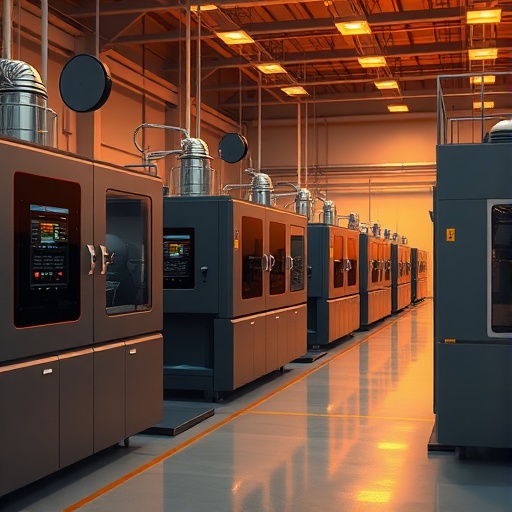
Industries Utilizing Thermoset Injection Molding
Automotive suppliers depend on thermoset injection molding for brake system components, transmission parts, and electrical connectors that endure under-hood heat. Aerospace manufacturers use the process to create lightweight structural elements and interior fittings that meet stringent flame and smoke standards. Medical device companies apply thermoset polymers in surgical instrument handles and diagnostic equipment housings that require sterilization compatibility. Electronics firms produce circuit breakers and insulators through thermoset injection molding because the materials provide consistent dielectric strength. Industrial equipment makers specify these parts for pumps and valves exposed to aggressive fluids. Each sector benefits from the combination of strength, thermal stability, and design flexibility that thermosets deliver.
Case Studies of Thermoset Components
One automotive program replaced metal valve covers with thermoset injection molded versions that reduced weight by 40 percent while improving heat dissipation. The parts maintained seal integrity across thousands of thermal cycles without cracking. In another instance, a medical manufacturer switched to thermoset polymer grips for reusable instruments, achieving biocompatibility and resistance to repeated autoclave cycles. A power tool company adopted insert molding techniques to bond metal inserts into thermoset housings, eliminating secondary assembly steps and increasing impact strength. These examples illustrate how thermoset injection molding solves specific engineering challenges while lowering overall production costs through part consolidation and performance gains.
Advantages of Thermosets Over Other Materials
Thermoset polymers outperform many competing materials in creep resistance, allowing molded parts to hold dimensions under sustained mechanical stress. They also provide better chemical resistance than most thermoplastics when exposed to oils, solvents, and fuels. Thermoset injection molding supports complex geometries with thin walls that metals cannot achieve without extensive machining. The process integrates well with overmolding of liquid silicone rubber or other elastomers to create multi-material assemblies in a single cycle. Lower density compared with metals reduces component weight without sacrificing stiffness. These combined benefits make thermosets the material of choice when design teams prioritize long-term reliability and manufacturing efficiency.
Innovations and Techniques in Thermoset Molding
Insert Molding and Overmolding with Thermosets
Insert molding embeds metal or ceramic components directly into the thermoset matrix during thermoset injection molding, creating strong mechanical interlocks without adhesives. Overmolding applies a second material layer over a previously molded thermoset substrate to add soft-touch surfaces or sealing features. Both techniques reduce assembly labor and improve part integrity by eliminating fasteners or bonding agents. Proper mold design accounts for differential shrinkage between the insert and surrounding polymer to prevent stress cracks. Engineers validate bond strength through pull-out testing and thermal cycling before approving production tools. These advanced methods expand the range of functional parts that thermoset injection molding can produce efficiently.
Emerging Technologies in Thermoset Processing
New resin formulations allow faster cure times in thermoset injection molding, shortening cycle durations without compromising mechanical properties. Automated material handling systems reduce operator exposure to uncured resins and improve consistency across shifts. Simulation software predicts flow patterns and cure kinetics, helping optimize gate locations and heating profiles before tooling fabrication. Hybrid processes combine thermoset injection with compression molding elements to handle larger parts or fiber-reinforced composites. These developments lower scrap rates and energy consumption while expanding design possibilities for thermoset components in high-performance markets.
The Role of CNC Machines and Lathes in Molding
CNC machine operations produce the intricate mold cavities and cores essential for accurate thermoset injection molding. Multi-axis milling creates complex undercuts and fine details that manual methods cannot replicate consistently. A lathe finishes round mold sections and creates precise sealing surfaces that prevent flash during injection. Toolmakers use these machines to achieve surface finishes that promote easy part release and reduce post-molding polishing. Regular calibration ensures dimensional accuracy across production runs. Integration of CNC and lathe work supports rapid tooling modifications when design changes arise, keeping projects on schedule.
Quality Standards and Compliance in Thermoset Molding
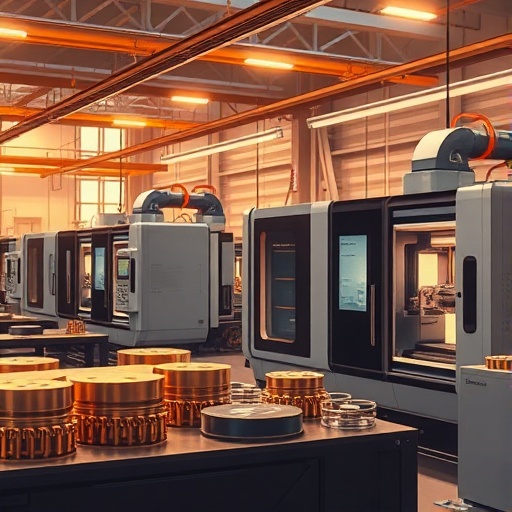
Understanding ISO 13485 and Its Relevance
ISO 13485 establishes requirements for quality management systems specific to medical device manufacturing. Companies performing thermoset injection molding for medical applications must document process controls, traceability, and risk management procedures that align with this standard. Audit trails cover material lot tracking, equipment calibration, and validation of sterilization compatibility for thermoset components. Compliance demonstrates that molded parts meet regulatory expectations for safety and performance. Organizations invest in training and process monitoring to maintain certification and win contracts in regulated markets.
Quality Control in Thermoset Injection Molding
Quality control begins with incoming inspection of thermoset resins and continues through in-process monitoring of injection parameters. Operators measure part dimensions, weight, and visual defects at defined intervals to catch variations early. Non-destructive testing methods such as ultrasonic inspection verify internal integrity of thick-walled thermoset components. Statistical process control charts track key variables and trigger corrective actions when limits are approached. Final inspection includes functional testing under simulated service conditions to confirm performance. These layered checks ensure every batch of thermoset injection molded parts meets customer specifications.
Impact of Chemicals on Thermoset Performance
Chemicals present in operating environments can affect thermoset polymers through absorption, swelling, or surface degradation. Formulators select resin systems with proven resistance to specific agents encountered in automotive fluids or industrial solvents. Accelerated aging tests expose sample parts to concentrated chemicals at elevated temperatures to predict long-term behavior. Thermoset injection molding parameters influence cross-link density, which directly correlates with chemical resistance. Proper material selection and process control prevent premature failure in aggressive applications. Engineers review chemical compatibility data during design reviews to specify the optimal thermoset grade for each component.
See Also
- Innovative Applications of Thermoset Injection Molding in the Automotive Industry
- Thermoset vs Thermoplastic Injection Molding Which is Right for Your Project
- Exploring the Advantages of Thermoset Materials in Modern Injection Molding
- A Deep Dive into the Thermoset Injection Molding Process and Best Practices
- How Thermoset Injection Molding Revolutionizes Product Design and Functionality