The Role of Temperature Sensors in Optimizing Data Center Cooling
Understanding the Importance of Temperature Sensors in Data Centers
The Role of Temperature in HVAC Systems
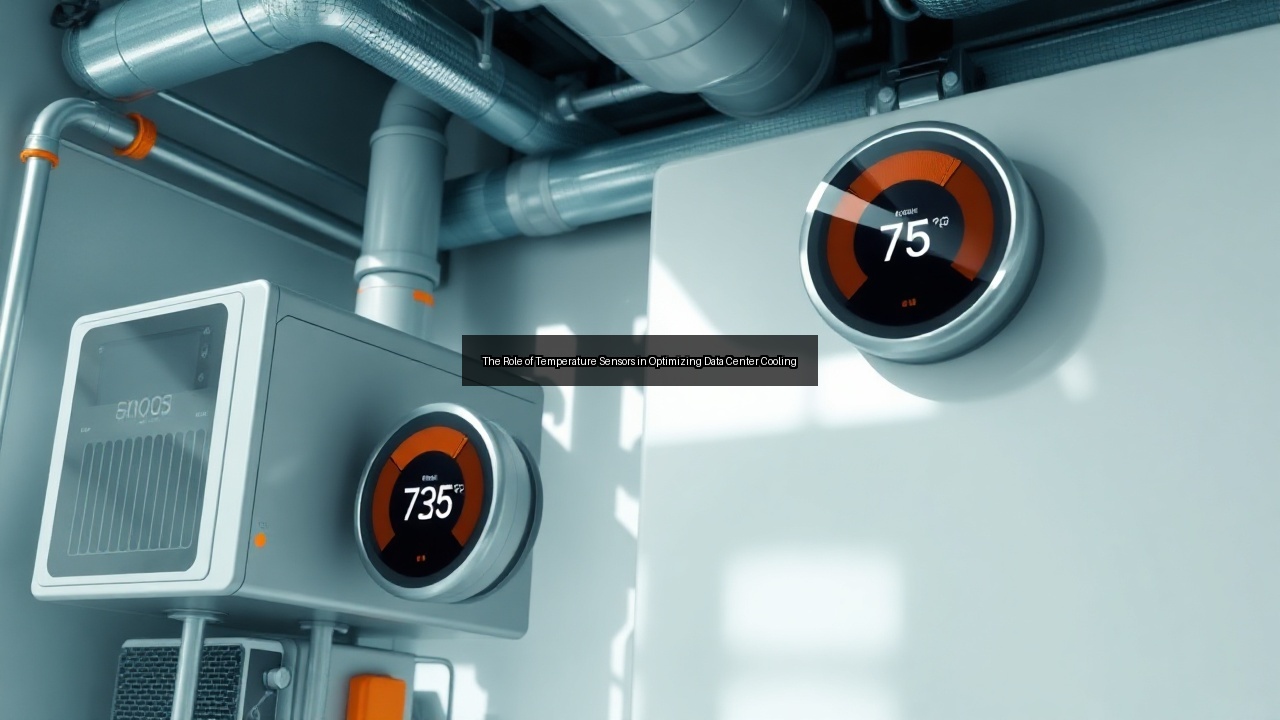
Temperature plays a critical role in the efficiency and effectiveness of HVAC systems within data centers. These systems regulate indoor climates, ensuring optimal operating conditions for servers and other critical equipment. A failure to maintain appropriate temperatures can lead to overheating, resulting in equipment failure and costly downtime. Temperature sensors act as the eyes of the HVAC system, continuously monitoring the environment and providing essential data that allows for precise adjustments. This proactive approach helps maintain an ideal temperature range, typically between 68°F and 72°F (20°C to 22°C), crucial for preventing thermal throttling and extending the lifespan of hardware.
How HVAC Temperature Sensors Enhance Indoor Air Quality
Indoor air quality (IAQ) directly influences the performance and reliability of data center operations. HVAC temperature sensors contribute to enhanced IAQ by monitoring not only temperature but also humidity levels and air circulation. By integrating these sensors with advanced HVAC control systems, data centers can ensure that the air remains clean and well-circulated. This integration provides real-time feedback, enabling the HVAC system to adjust cooling and heating based on current conditions. Improved IAQ reduces the risk of dust and particulates accumulating on sensitive equipment, which can exacerbate overheating issues and lead to failures. Furthermore, maintaining optimal humidity levels through precise temperature control prevents condensation, safeguarding sensitive electronic components.
Types of Temperature Sensors Used in Data Centers
Data centers utilize various types of temperature sensors to ensure precise monitoring and control of their environments. Commonly employed sensors include thermistors, thermocouples, and RTDs (resistance temperature detectors), each offering unique benefits. Thermistors provide high accuracy and rapid response times, making them ideal for critical cooling applications. Thermocouples, on the other hand, are suitable for a broader temperature range and are often used in extreme conditions. RTDs offer excellent stability and accuracy, making them a reliable choice for long-term monitoring. Many data centers also use thermowells to protect these sensors from direct exposure to air or liquids, further enhancing their longevity and reliability. Choosing the right sensor type is essential for effective temperature monitoring in HVAC systems.
Optimizing Data Center Cooling with Advanced HVAC Technology
Integration of Temperature Sensors with Building Automation
Integrating temperature sensors with building automation systems revolutionizes data center cooling. This synergy allows for real-time monitoring and control of HVAC systems, significantly enhancing energy efficiency. Temperature sensors communicate with the building automation system, collecting data that drives intelligent decision-making. For example, when sensors detect rising temperatures in specific zones, the automation system can respond by adjusting the air handling unit's output, ensuring that cooling is directed precisely where it is needed. This level of responsiveness minimizes unnecessary energy consumption while maximizing cooling effectiveness. Moreover, the data collected can be analyzed to identify trends and optimize cooling strategies, ultimately leading to reduced operational costs and improved sustainability.
Utilizing Smart Thermostats for Efficient Climate Control
Smart thermostats have become indispensable tools for optimizing climate control in data centers. These devices leverage advanced algorithms to learn patterns in temperature fluctuations and adjust HVAC systems accordingly. By utilizing data from HVAC temperature sensors, smart thermostats can make real-time adjustments that enhance energy efficiency and reduce wear on equipment. They can automatically raise or lower temperatures based on time of day, occupancy, or even external weather conditions, ensuring that the data center operates within optimal parameters at all times. The ability to remotely monitor and control these systems via smartphones or computers adds convenience and peace of mind for data center managers, allowing for swift responses to any irregularities or emergencies.
The Impact of Occupancy Sensors on Cooling Efficiency
Occupancy sensors play a vital role in enhancing cooling efficiency in data centers. These sensors detect the presence of personnel or equipment within specific areas, providing valuable information to the HVAC system. When occupancy sensors indicate low activity levels, the HVAC system can reduce cooling output, saving energy and resources. Conversely, when occupancy increases, the system can ramp up cooling efforts to maintain optimal temperatures. This dynamic adjustment is crucial in environments that experience variable occupancy levels, such as server rooms or maintenance areas. By integrating occupancy sensors with HVAC temperature sensors, data centers can achieve a more responsive and energy-efficient climate control strategy, ultimately reducing operational costs and environmental impact.
Calibration and Accuracy of HVAC Temperature Sensors
The Calibration Process: Ensuring Reliable Temperature Measurement
Calibration is essential for ensuring the accuracy and reliability of HVAC temperature sensors in data centers. Over time, sensors can drift from their calibrated settings due to environmental factors or wear and tear. This drift can lead to inaccurate temperature measurements, compromising the effectiveness of HVAC systems. The calibration process involves comparing the sensor's output against a known reference standard and making necessary adjustments. Regular calibration ensures that sensors provide precise readings, enabling the HVAC system to operate efficiently. Data center managers should establish a routine calibration schedule, documenting results to maintain compliance with industry standards and NIST guidelines.
NIST Standards for Temperature Sensor Calibration
The National Institute of Standards and Technology (NIST) provides essential guidelines for temperature sensor calibration that data centers should follow. NIST standards ensure that temperature measurements remain consistent and reliable across various applications. These standards outline specific procedures for calibrating different types of sensors, including thermistors and thermocouples. Compliance with NIST standards not only enhances the accuracy of measurements but also builds trust in the data center's operational integrity. By adhering to these guidelines, data centers can assure stakeholders that their temperature monitoring systems are reliable and effective, mitigating risks associated with temperature-related equipment failures.
Common Issues in Temperature Sensor Calibration and Solutions
Calibration of HVAC temperature sensors can present several challenges, but understanding these issues leads to effective solutions. One common problem is sensor drift, where sensors gradually lose accuracy over time. Regular calibration and maintenance are vital to counteract this issue. Another challenge is environmental interference, such as electromagnetic fields or extreme temperatures, which can affect sensor performance. Placing sensors in thermowells or using shielded cables can help mitigate these effects. Additionally, training staff on proper calibration procedures and maintaining a log of calibration activities ensures that data centers can quickly identify and rectify any discrepancies in temperature measurements. By addressing these common calibration issues, data centers can enhance the performance of their HVAC systems significantly.