The Cost of Quality Steel Pipe Fabrication and What to Expect
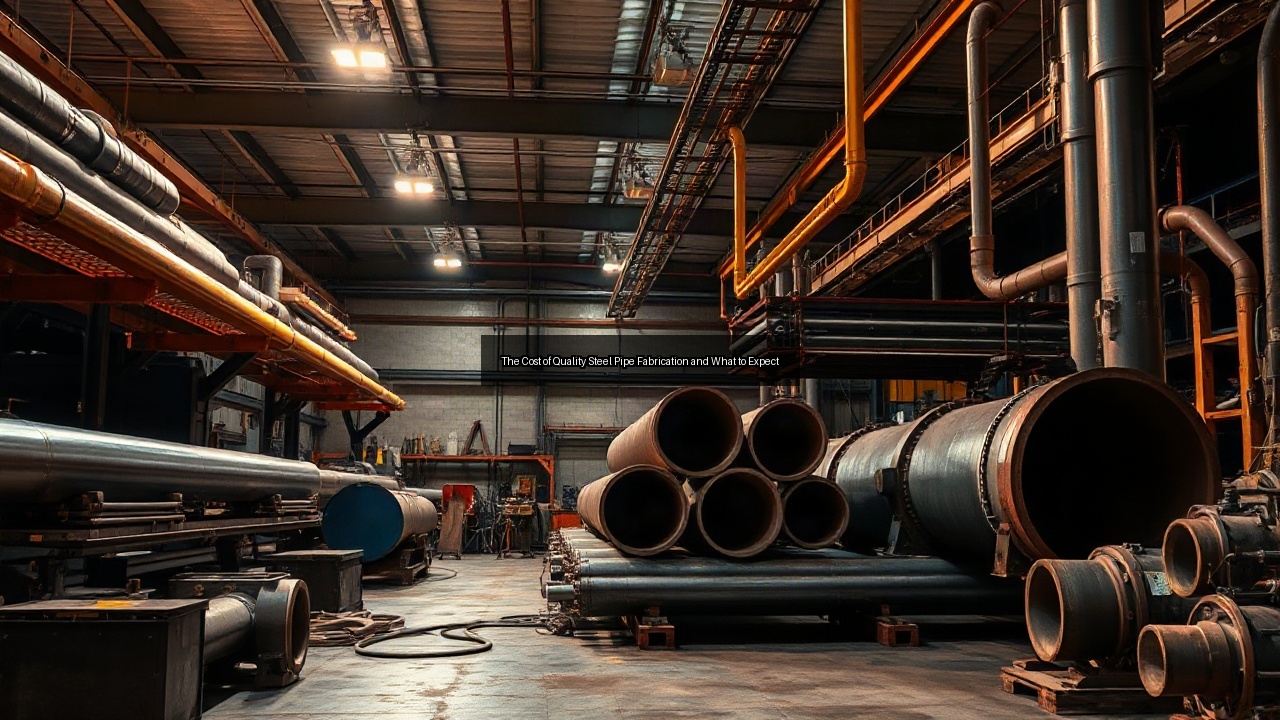
Understanding Pipe Fabrication Costs
Factors Influencing Cost
Pipe fabrication costs depend heavily on material grades, project complexity, and required tolerances. Steel pipes demand precise cutting and forming that raise expenses when diameters exceed standard sizes or when wall thicknesses vary. Labor rates climb with skilled welders needed for intricate joints, while custom tooling adds upfront charges. Location affects delivery fees, and rush orders inflate prices through overtime. Buyers who specify exact pressure ratings and corrosion protections see higher quotes because fabricators must source certified alloys. Volume orders lower per-unit costs, yet small runs carry setup fees that dominate the total. Tracking these variables helps companies budget accurately before committing to any pipe fabrication services.
Cost Breakdown of Fabrication Services
A typical quote separates raw material, cutting, welding, and finishing stages. Material often accounts for 40 percent of the price when high-grade steel pipes enter the mix. Cutting and beveling follow with machine time and consumables. Welding pipe fabrication methods contribute the next largest share, especially for multi-pass seams on thick walls. Inspection and testing add another layer, as nondestructive examination ensures integrity. Headers require extra machining that increases labor hours. Final coatings or galvanizing push totals higher for outdoor piping systems. Transparent breakdowns from reputable pipe fabrication companies allow clients to compare line items and negotiate adjustments without surprises.
Comparing Prices Across Fabrication Companies
Shop around by requesting detailed proposals from multiple pipe fabrication companies. Some specialize in high-volume standard pipe fabrication services and offer lower rates, while others focus on metal pipe fabrication for complex headers and charge premiums. Review past project references and lead times to weigh value against pure price. Geographic proximity reduces freight costs on heavy steel pipes. Ask for itemized estimates that list every process so hidden markups become visible. Established shops with in-house capabilities frequently undercut those that outsource welding pipe fabrication stages. Consistent quality records justify slightly higher bids when long-term reliability matters more than initial savings.
Types of Steel Pipe Fabrication
Custom Pipe Fabrication
Custom pipe fabrication meets unique project specifications that off-the-shelf products cannot satisfy. Engineers supply drawings for bends, branches, and reducers that fabricators translate into finished steel pipes. This route suits process plants needing exact fits around existing equipment. Material traceability and certified procedures add documentation steps that standard work skips. Lead times stretch because each order requires dedicated setup, yet the result eliminates field modifications that create leaks. Clients gain precise control over metallurgy and dimensions, which proves essential in high-pressure or corrosive environments where generic tube sections fail prematurely.
Standard Pipe Fabrication Services
Standard pipe fabrication services handle common sizes and schedules that appear in most industrial and commercial piping runs. Fabricators maintain inventory of common steel pipes and perform repetitive cuts, bevels, and welds efficiently. Pricing stays competitive because setups repeat across jobs, reducing engineering hours. These services cover straight spools, simple elbows, and basic flanges that fit most distribution systems. Quick turnaround appeals to maintenance teams replacing damaged sections. While customization remains limited, quality control stays rigorous through standardized welding procedures that deliver reliable joints every time.
Fabricating Headers for Specialized Applications
Headers collect or distribute flow across multiple outlets and require careful layout to maintain even pressure. Fabricating headers involves precise drilling, welding of branch connections, and reinforcement pads that prevent distortion under load. Stainless or alloy steel pipes often appear here for chemical resistance. Each header undergoes hydrostatic testing before shipment to confirm leak-free performance. Specialized pipe fabrication shops use CNC equipment to locate outlets within tight tolerances, avoiding costly field adjustments. These components serve boilers, manifolds, and process skids where flow balance directly affects system efficiency and safety.
Choosing the Right Pipe Fabrication Company
What to Look for in Fabrication Shops
Strong fabrication shops display current certifications for welding procedures and quality management systems. Visit facilities to inspect equipment condition and organization on the floor. Look for in-house capabilities in cutting, welding, and nondestructive testing that reduce reliance on subcontractors. Experienced staff who understand steel pipe metallurgy provide better guidance during design reviews. Clean records with safety and delivery metrics signal reliability. Shops that invest in modern pipe fabrication technology demonstrate commitment to consistent output and fewer defects across repeated orders.
Evaluating Metal Pipe Fabrication Services
Request samples or case studies that match your steel pipes and operating conditions. Assess how each pipe fabrication company manages material traceability and heat numbers. Review their approach to dimensional inspection and weld documentation. Ask about capacity during peak periods to confirm they can meet your schedule. Evaluate communication speed and technical responsiveness, because early problem-solving prevents downstream delays. Compare warranties on workmanship and material defects so long-term ownership costs remain predictable.
Key Questions to Ask Fabrication Companies
Inquire about typical lead times for similar steel pipe projects and how they handle change orders. Confirm which welding processes they employ for different wall thicknesses and alloys. Request details on inspection methods and third-party verification options. Ask whether they perform their own stress relieving or outsource that step. Clarify payment terms and milestone billing practices. Discuss packaging and shipping methods for large piping assemblies to avoid damage during transit. These questions reveal operational maturity and help separate capable partners from those that overpromise.
The Fabrication Process Explained
Overview of Steel Pipe Fabrication Techniques
Steel pipe fabrication begins with material receipt and verification against mill certificates. Workers cut lengths using saws or plasma systems calibrated for minimal heat-affected zones. Beveling prepares edges for full-penetration welds. Fit-up follows with alignment tools that maintain tolerances before tacking. Bending operations create elbows and offsets when straight spools will not suffice. Each technique demands calibrated equipment and trained operators who understand how steel responds to thermal and mechanical stress. Proper sequencing reduces rework and keeps overall project costs within budget.
Welding Pipe Fabrication Methods
Welding pipe fabrication methods range from shielded metal arc for field repairs to orbital gas tungsten arc for critical root passes. Fabricators select processes based on material thickness, accessibility, and code requirements. Multi-pass techniques build strength in thick-walled steel pipes while controlling distortion. Preheat and interpass temperatures prevent cracking in higher-carbon grades. Post-weld heat treatment relieves residual stresses in pressure piping. Documentation of parameters and welder qualifications ensures traceability that auditors and inspectors demand on every joint.
Quality Control in Pipe Fabrication
Quality control starts with incoming material checks and continues through dimensional verification after each major operation. Welders follow approved procedures while inspectors monitor fit-up and bead appearance. Nondestructive testing such as ultrasonic or radiographic examination detects internal flaws before components leave the shop. Hydrostatic or pneumatic tests confirm pressure integrity on finished spools. Final documentation packages include material certificates, weld maps, and test reports that accompany every shipment. Consistent application of these steps protects downstream operations from leaks or failures in service.
Future Trends in Pipe Fabrication
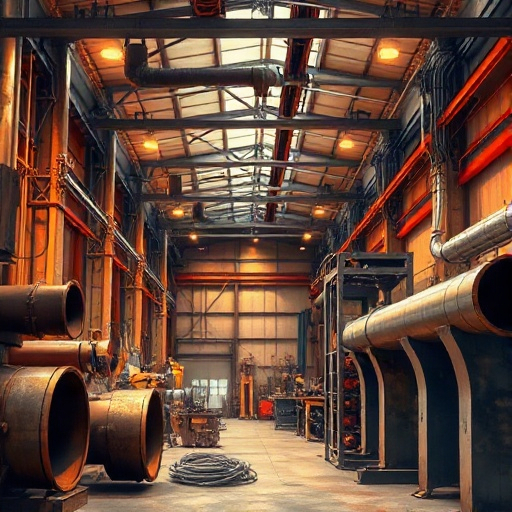
Advancements in Fabrication Technology
Automation now handles repetitive cutting and welding tasks with greater repeatability than manual methods. Robotic arms perform consistent seams on headers and long spools while operators oversee parameters. Laser scanning creates digital twins of existing piping for reverse-engineering replacements. Software integrates design models directly with fabrication equipment, reducing transcription errors. These tools shorten lead times and improve first-pass yield rates across pipe fabrication shops. Continued investment in sensors and data analytics further refines process control and predictive maintenance on critical machines.
Sustainability in Steel Pipe Fabrication
Modern fabricators recycle steel scrap and optimize nesting patterns to minimize waste. Energy-efficient cutting systems reduce power consumption during high-volume runs. Water-based coatings replace solvent options in many finishing lines. Some pipe fabrication companies track carbon footprints per project and offer lower-impact material alternatives when specifications allow. Sustainable practices align with client environmental goals without compromising the strength or longevity of steel pipes. Certification programs now recognize shops that demonstrate measurable reductions in resource use.
Market Predictions for Pipe Fabrication Services
Demand for pipe fabrication services will grow alongside energy, chemical, and water infrastructure upgrades. Supply chain localization encourages more regional shops to expand capacity for quicker delivery. Digital platforms streamline quoting and order tracking, making smaller pipe fabrication companies more competitive. Material innovations such as advanced high-strength steels may shift cost structures while improving performance. Overall, buyers can expect tighter integration between design software and shop-floor execution that delivers higher quality at stable prices when projects are well planned.
See Also
- How Pipe Fabrication Shops are Adapting to Industry Changes
- The Art of Precision in Steel Pipe Fabrication Explained
- Understanding the Impact of Material Selection on Pipe Fabrication Quality
- Future Trends in Pipe Fabrication You Need to Know
- Mastering Pipe Fabrication Techniques for the Modern Engineer