The Future of Skincare Products Through Contract Manufacturing
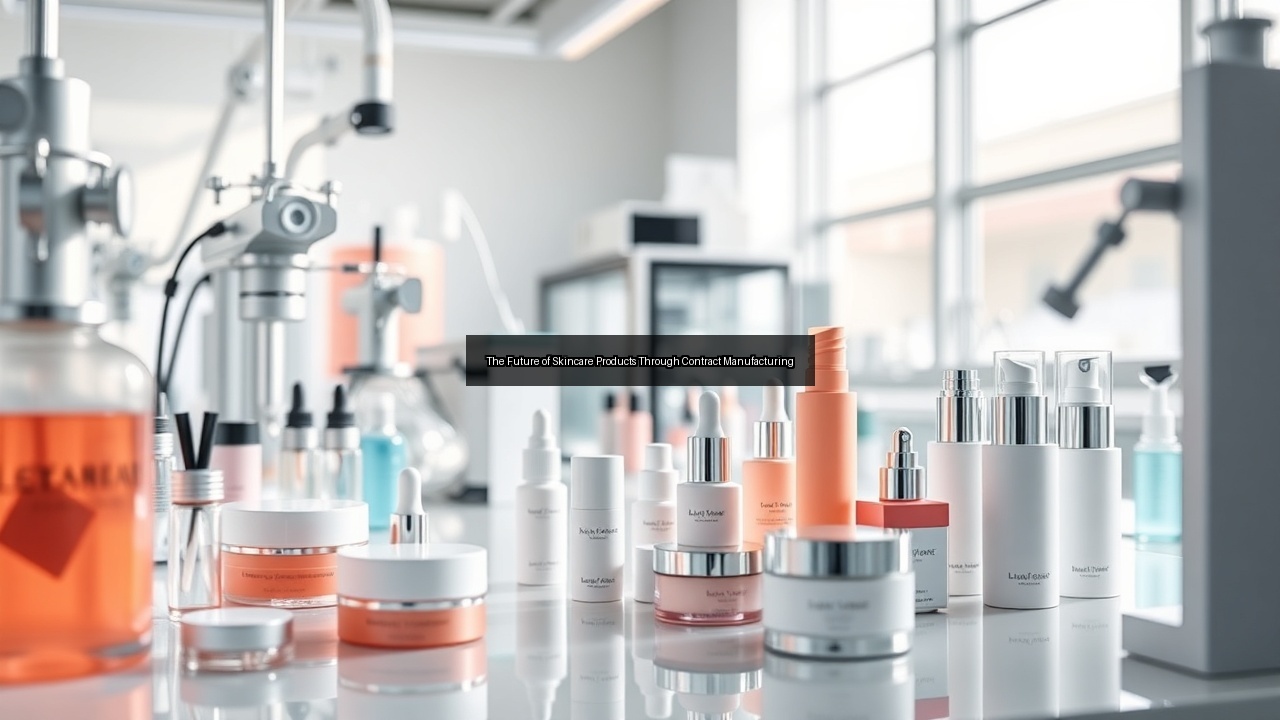
The Rise of Contract Manufacturing in the Cosmetic Industry
Understanding Contract Manufacturing
Contract manufacturing in the cosmetics industry refers to the process where brands outsource the production of their skincare and cosmetic products to specialized manufacturers. This model allows brands to focus on their core competencies, such as marketing and product development, while leveraging the expertise of manufacturers who possess advanced facilities and industry knowledge. This partnership not only streamlines production but also enhances the overall quality of the products. By engaging with contract manufacturers, brands can access cutting-edge technologies and a broader range of resources, ensuring that their skincare and cosmetic products meet current market demands and consumer preferences.
Benefits of Partnering with Contract Manufacturers
Partnering with contract manufacturers offers several advantages for skincare brands. First, it significantly reduces overhead costs associated with establishing and maintaining in-house manufacturing facilities. Brands can allocate resources toward research, marketing, and customer engagement rather than worrying about the complexities of production. Second, contract manufacturers often possess extensive knowledge of regulatory compliance, including FDA regulations, ensuring that products meet safety standards. Third, flexibility remains a key benefit; brands can scale production up or down based on market trends and consumer demand. Lastly, collaborating with a contract manufacturer opens doors to innovative ingredient sourcing and formulation techniques, ultimately leading to high-quality cosmetic products.
Key Players in the Contract Manufacturing Landscape
The landscape of contract manufacturing in cosmetics features a diverse array of key players, ranging from large-scale manufacturers with global reach to niche companies specializing in specific product lines. Major contract manufacturers often provide comprehensive services, including formulation, packaging design, and logistics solutions. Among these, some manufacturers focus exclusively on skincare, while others may cater to makeup and other cosmetic products. Emerging brands frequently turn to established contract manufacturers as strategic partners to penetrate the market quickly. The presence of hybrid models—where manufacturers also serve as R&D partners—further enriches the sector, providing brands with a robust platform to innovate and launch new products successfully.
Innovations in Skincare Products Through Contract Manufacturing
Trends in Ingredient Sourcing
Ingredient sourcing remains a vital aspect of skincare product development, and contract manufacturers play a crucial role in this area. The trend toward natural and organic ingredients continues to grow, with consumers increasingly demanding products that are safe, effective, and environmentally friendly. Contract manufacturers are adapting by forming partnerships with suppliers of high-quality, sustainable ingredients. This collaboration not only enhances product integrity but also positions brands to respond to consumer preferences for transparency and ethical sourcing. Furthermore, innovative ingredients like cosmeceuticals have gained traction, leading manufacturers to explore unique formulations that offer both cosmetic and therapeutic benefits. This trend underscores the importance of staying ahead in ingredient innovation to meet evolving market demands.
Automation and Technology in Production
Automation and technology revolutionize the contract manufacturing landscape in cosmetics. Advanced machinery and robotics streamline production processes, increasing efficiency and consistency in manufacturing skincare and cosmetic products. Automated systems reduce human error and can operate 24/7, significantly enhancing output without compromising quality. Additionally, technology enables better monitoring of production metrics, allowing for real-time adjustments to maintain conformity with quality standards. As the industry embraces smart manufacturing practices, brands can leverage data analytics to forecast demand more accurately, manage inventory effectively, and optimize their supply chain. This integration of automation not only minimizes costs but also accelerates time-to-market for new skincare products.
The Role of Research and Development
Research and development (R&D) play an integral role in the success of contract manufacturing for cosmetics. Many contract manufacturers invest heavily in R&D to create innovative formulations that meet the latest consumer trends. This focus on innovation allows brands to differentiate their products in a competitive market. Collaboration between brands and contract manufacturers during the R&D phase fosters a creative environment where ideas can be tested and refined. This partnership can lead to breakthroughs in product formulation, such as developing hybrid skincare products that combine multiple benefits or utilizing cutting-edge delivery systems for enhanced efficacy. By prioritizing R&D, contract manufacturers position themselves as valuable partners in a brand’s journey toward market success.
Navigating FDA Regulations and Compliance
Understanding FDA Regulations for Cosmetics
Complying with FDA regulations remains a critical consideration for any skincare or cosmetic product. The FDA oversees the safety and labeling of cosmetics in the United States, ensuring that products do not pose risks to consumers. Brands must understand the specific requirements for ingredient safety, labeling claims, and product testing. Contract manufacturers often help brands navigate these complex regulations, providing insights into compliance and best practices. This partnership allows brands to streamline the regulatory process, ensuring that their products meet all necessary standards before reaching the market. Staying compliant not only protects consumers but also enhances a brand's reputation and credibility in the cosmetics industry.
Ensuring Conformity and Quality Control
Quality control remains paramount in contract manufacturing. Established manufacturers implement rigorous testing protocols to ensure that every batch of skincare products meets established standards for safety and efficacy. This includes thorough evaluations of raw materials, in-process inspections, and final product testing. Brands benefit from the manufacturer’s established quality assurance systems, which help maintain product consistency and reliability. Additionally, in an industry where consumer trust is essential, adhering to stringent quality control measures fosters consumer confidence in the brand. Brands that prioritize quality control not only enhance their reputation but also create loyal customers who return for trusted skincare products.
The Importance of Traceability in Manufacturing
Traceability within the manufacturing process is crucial for skincare and cosmetic products. It involves tracking ingredients from their source through every stage of production. This practice not only ensures compliance with FDA regulations but also enhances transparency for consumers. Brands can disclose the origin of their ingredients, promoting ethical sourcing and sustainability. Contract manufacturers play a vital role in establishing robust traceability systems that monitor ingredient quality and safety throughout the supply chain. This level of oversight is especially important in the event of product recalls, allowing manufacturers and brands to act swiftly and responsibly. A strong traceability system reinforces consumer trust and underscores a brand's commitment to quality and safety.
The Future of Packaging and Logistics in Cosmetics
Trends in Packaging Design for Skincare Products
Packaging design has become a focal point in the cosmetics industry, with consumers increasingly drawn to visually appealing, sustainable options. Innovative packaging not only enhances the aesthetic appeal of skincare products but also plays a critical role in functionality and preservation. Brands are exploring eco-friendly materials that reduce environmental impact while maintaining product integrity. Contract manufacturers often collaborate with packaging designers to create solutions that stand out on retail shelves. Functional elements, such as airless pumps and biodegradable materials, improve user experience and align with consumer preferences for sustainability. As packaging continues to evolve, brands must remain attuned to these trends to capture consumer interest effectively.
Logistics Challenges and Solutions
Logistics pose significant challenges in the contract manufacturing landscape for cosmetics. Efficient shipping, inventory management, and distribution channels are critical to ensuring timely product delivery. Brands often face obstacles related to supply chain disruptions, fluctuating demand, and international regulations. Contract manufacturers help navigate these challenges by implementing streamlined logistics solutions that optimize the entire supply chain. Advanced software and data analytics enable better forecasting and inventory management, reducing excess stock and minimizing waste. By addressing logistics challenges proactively, brands can maintain consistent product availability and meet consumer expectations in a rapidly changing market.
Cost Considerations in Contract Manufacturing
Cost remains a crucial factor in deciding whether to partner with contract manufacturers for skincare and cosmetic products. While outsourcing production can significantly reduce operational costs, brands must carefully evaluate all associated expenses. Factors such as minimum order quantities, ingredient sourcing, and packaging design can influence overall costs. Contract manufacturers often provide flexible pricing structures to accommodate brands of various sizes, from startups to established players. By conducting a thorough cost-benefit analysis, brands can make informed decisions that align with their budget and growth objectives. Ultimately, effective cost management enables brands to invest in marketing, R&D, and other critical areas that drive success in the competitive cosmetics landscape.