How Thermoset Injection Molding Boosts Product Durability and Strength
Understanding Thermoset Injection Molding
What are Thermosets and Their Advantages?
Thermosets are a class of polymers that undergo a chemical change when heated, resulting in a permanent solid structure. Unlike thermoplastics, which can be melted and reshaped multiple times, thermoset materials cure into a fixed form. This unique characteristic grants thermosets exceptional durability and heat resistance, making them ideal for applications requiring long-lasting performance. Additionally, thermosets provide excellent dimensional stability and resistance to chemicals, moisture, and UV light. These properties contribute to their widespread use in industries like automotive, aerospace, and electronics, where reliability is paramount.
Comparing Thermosets and Thermoplastics
Understanding the differences between thermosets and thermoplastics is essential for selecting the right material for specific applications. Thermoplastics, such as acrylonitrile butadiene styrene (ABS) and polypropylene, can be reshaped through heating, allowing for injection molding materials easier recycling and reprocessing. In contrast, thermosets maintain their shape once cured, offering superior mechanical strength and thermal stability. This distinction leads to varied applications; while thermoplastics dominate consumer goods and packaging, thermosets excel in high-performance sectors where durability and resistance to deformation are critical. Therefore, choosing between these materials hinges on the specific demands of the intended application.
Applications of Thermoset Injection Molding in Industries
Thermoset injection molding finds its place in numerous industries due to its robust properties. In the automotive sector, manufacturers utilize thermoset materials for components like dashboards and electrical housings, where heat resistance and strength are crucial. Aerospace applications benefit from thermosets in parts that require high structural integrity under extreme conditions. Additionally, electronics manufacturers rely on thermoset injection molding for circuit boards and insulators, where reliability and electrical insulation are vital. The versatility of thermosets extends to medical devices, where compliance with strict regulatory standards such as ISO 13485 is essential for safety and efficacy. This broad spectrum of applications highlights the significance of thermoset injection molding in modern manufacturing.
The Injection Molding Process for Thermosets
Step-by-Step Thermoset Injection Molding Process
The thermoset injection molding process involves several key steps that ensure the material transforms into a durable, high-quality product. Initially, the thermoset material, in granule or powder form, is fed into a heated barrel, where it undergoes melting. A piston or screw mechanism then injects the molten material into a pre-designed mold cavity under high pressure. The heat causes the thermoset to cure, initiating a chemical reaction that solidifies the material into its final shape. Once curing is complete, the mold opens, and the finished product is ejected. This efficient process allows for high-volume production of complex shapes while maintaining tight tolerances, making it a preferred method in many industrial applications.
Key Equipment in Thermoset Injection Molding
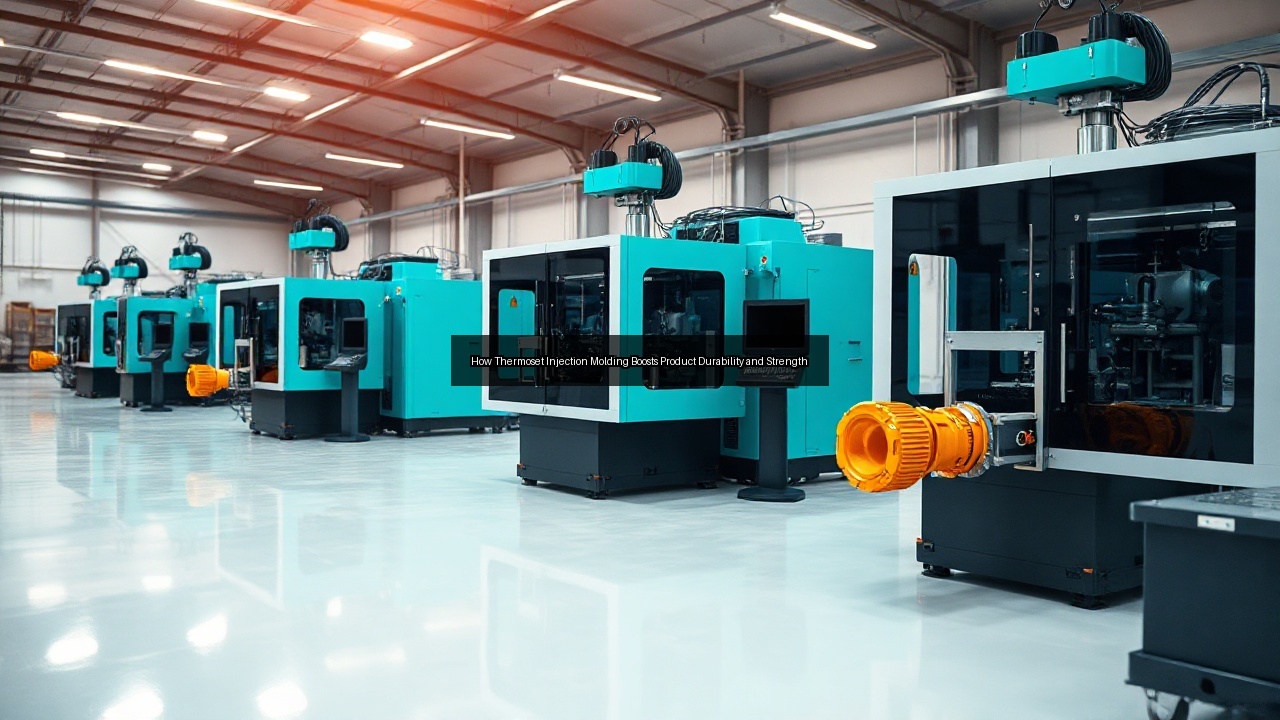
Successful thermoset injection molding relies on specialized equipment designed to handle injection molding thermosets the unique properties of thermoset materials. The injection molding machine is the centerpiece, equipped with a heated barrel, screw, and mold clamping system. The barrel must maintain precise temperatures to melt the thermoset material effectively while preventing premature curing. Molds made from hardened steel or aluminum offer durability and can be complex in design to achieve intricate geometries. Additional equipment includes temperature control systems to monitor and adjust mold temperatures, ensuring optimal curing conditions. All these components work together to produce consistent, high-quality thermoset products efficiently.
Common Thermoset Materials Used in Injection Molding
Several thermoset materials are prevalent in injection molding, each offering distinct properties suited for various applications. Phenolic resins stand out for their excellent heat resistance and mechanical strength, making them ideal for automotive and electrical components. Epoxy resins provide outstanding adhesion and chemical resistance, commonly used in adhesives and coatings. Polyurethane is another versatile thermoset, known for its flexibility and toughness, making it suitable for applications ranging from furniture to automotive parts. Understanding the characteristics of these thermoset materials helps manufacturers select the best options for their specific needs, enhancing product performance and longevity.
Enhancing Product Durability and Strength
How Thermoset Materials Improve Product Longevity
Thermoset materials significantly enhance product longevity due to their inherent properties. Once cured, these materials exhibit minimal shrinkage and excellent dimensional stability, ensuring products maintain their shape under stress. Their resistance to heat and chemicals further contributes to longevity, allowing thermoset products to withstand harsh environments without degrading. This durability reduces the need for frequent replacements, ultimately saving costs and resources in manufacturing. Industries that rely on long-lasting components, such as aerospace and automotive, injection molding materials benefit immensely from the robustness of thermosets, making them an indispensable choice for critical applications.
The Role of Design in Thermoset Strength
Design plays a crucial role in maximizing the strength of thermoset products. Engineers must consider factors such as geometry, wall thickness, and material selection when developing injection-molded components. A well-designed part incorporates features that distribute stress evenly, preventing weak points that could lead to failure. Advanced computer-aided design (CAD) software enables manufacturers to simulate and optimize designs before production, ensuring that the final product meets performance requirements. Additionally, incorporating reinforcements like glass or carbon fibers into thermoset materials can further enhance strength and stiffness, creating superior products that withstand demanding applications.
Case Studies: Successful Applications of Thermoset Injection Molded Products
Numerous case studies illustrate the successful applications of thermoset injection molding across various industries. In the automotive sector, a leading manufacturer utilized thermoset composites for producing lightweight yet strong body panels, resulting in improved fuel efficiency without sacrificing safety. In the aerospace industry, thermoset materials were employed in the fabrication of aircraft components, providing exceptional heat resistance and structural integrity, essential for high-performance aircraft. Additionally, medical device manufacturers have adopted thermoset injection molding for producing durable and reliable components that comply with ISO 13485 standards, ensuring safety and effectiveness in healthcare applications. These examples underscore the versatility and effectiveness of thermoset injection molded products in real-world scenarios.
Future Trends in Thermoset Injection Molding
Innovations in Thermoset Materials
Innovations in thermoset materials are shaping the future of injection molding, driving advancements in performance and sustainability. Researchers are developing new formulations that enhance properties such as flexibility, strength, and resistance to extreme conditions. Bio-based thermosets are gaining traction, offering an eco-friendly alternative to traditional petroleum-based materials. These innovations not only improve product performance but also address environmental concerns related to plastic waste. As industries seek more sustainable solutions, the evolution of thermoset materials will play a pivotal role in meeting the demands of environmentally conscious manufacturing.
The Impact of Recyclability on Thermoset Injection Molding
Recyclability remains a significant consideration in the injection molding industry, including thermosets. While thermosets traditionally posed challenges in recycling due to their irreversible curing process, new technologies are emerging to address these issues. Researchers are exploring methods to recycle thermoset materials through chemical processes that break down the cured polymer into reusable monomers. This development could revolutionize the lifecycle of thermoset products, allowing manufacturers to reduce waste and improve sustainability. The focus on recyclability aligns with global efforts to create a circular economy, making thermoset injection molding more environmentally friendly.
Regulatory Standards: ISO 13485 and its Importance
Compliance with regulatory standards like ISO 13485 is crucial for manufacturers utilizing thermoset injection molding in the medical sector. This standard outlines requirements for quality management systems specific to medical devices, ensuring that products meet stringent safety and efficacy criteria. Adhering to ISO 13485 not only enhances product reliability but also builds trust among consumers and regulatory bodies. Manufacturers must implement rigorous testing and quality control processes to achieve compliance, ultimately leading to better products and improved patient outcomes. The importance of regulatory standards cannot be overstated, as they drive innovation and excellence in thermoset applications across industries.
See Also
- Maximizing Efficiency in Injection Molding with Thermosets
- The Rise of Thermosets in Injection Molding Applications
- Exploring the Benefits of Thermoset Injection Molding for Industrial Products
- Recyclability of Thermoset Plastics Challenges and Innovations in Injection Molding
- Innovations in Injection Molding Thermosets for the Aerospace Industry